

August 2026 Markets Review
Portfolio: +4.26%
S&P 500: +2.62%
NASDAQ: +3.99%
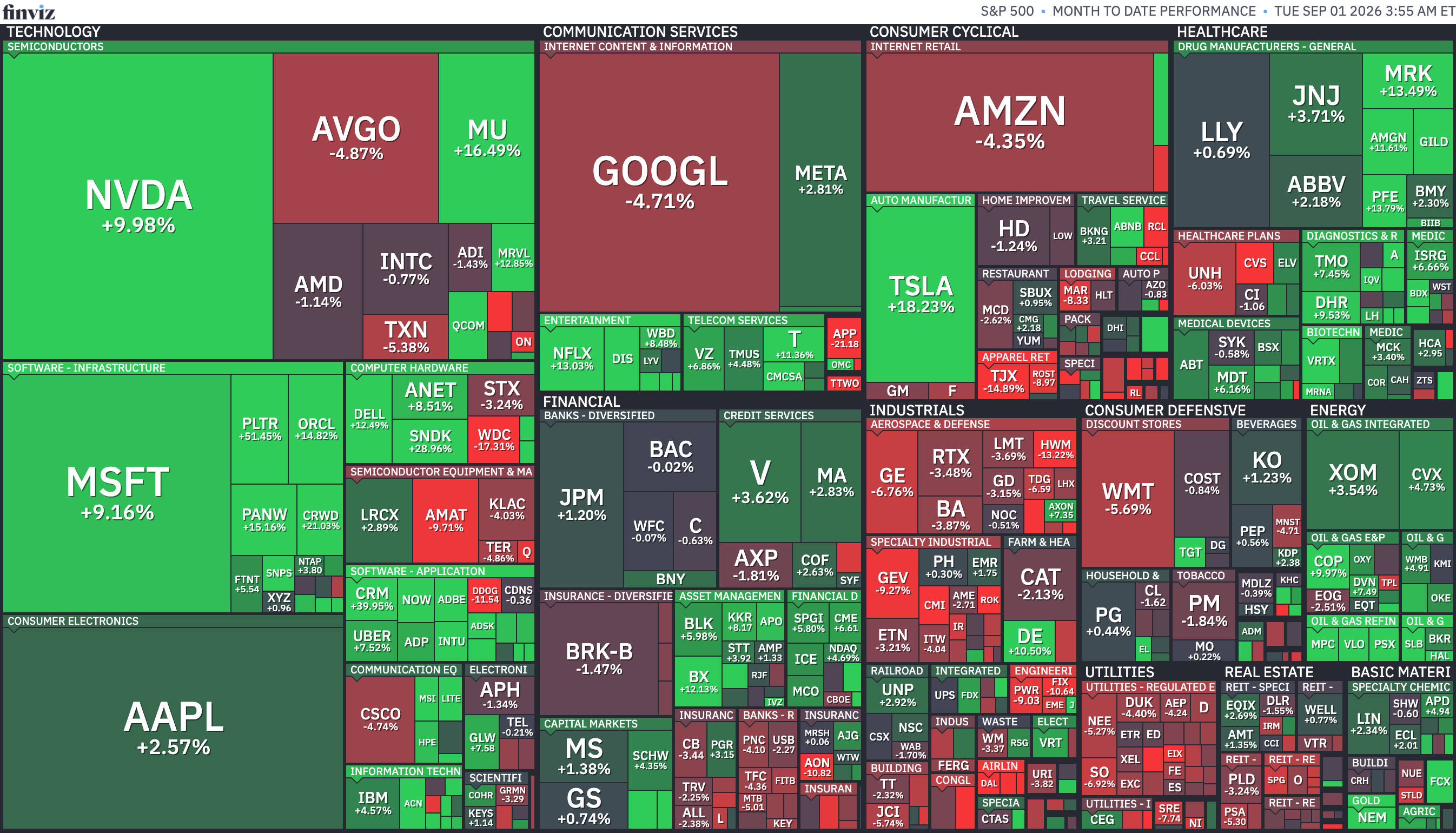
August was a strong month for the indexes, reversing a poor June to July stretch where the market had back to back red months. Yet, it was not a great month for all sectors and stocks. There was yet more bifurcation within the MAG7 with NVDA, MSFT and TSLA leading the pack while GOOGLE and AMZN struggled.
We saw a strong rebound in the AI trade in the first half of the month with stocks like MU, SKHY, NBIS, CRWV going up 30-50% in that period. Of course, this happened after the Leopold forced-selling that we discussed last month. Another sector that was incredibly strong was healthcare. Personally, I like that we are seeing healthy rotations on a consistent basis in the bull run that has now gone on for over 3 years.
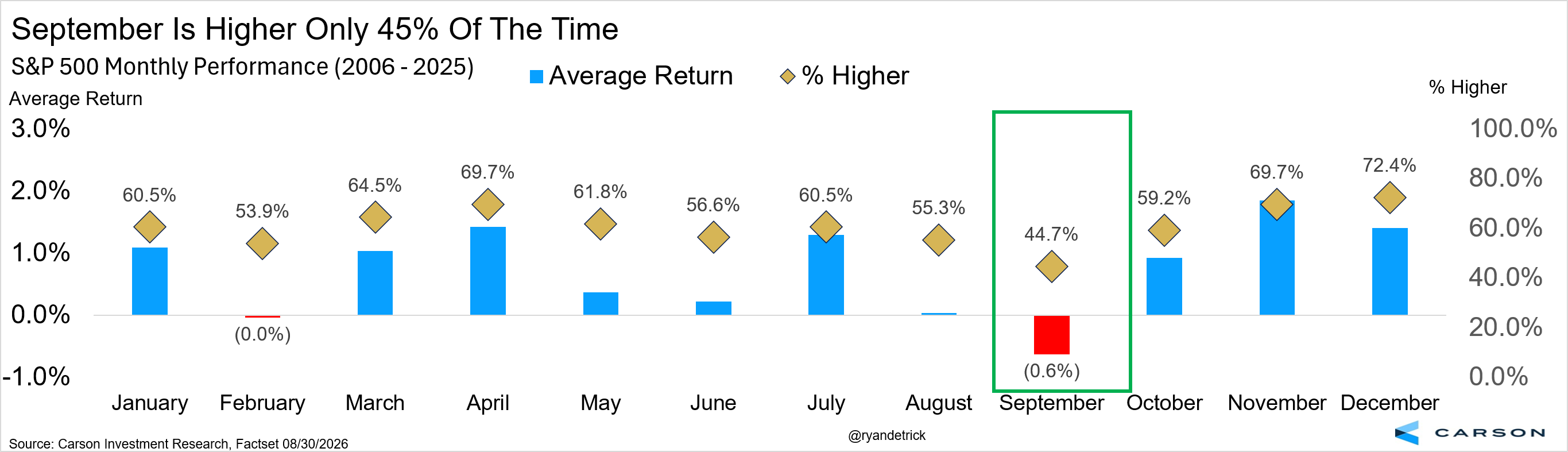
It must be noted that September has historically been the weakest month for the markets over the past 20 years, with -0.6% monthly returns on average. It was only higher 45% of the time.
Portfolio Performance (Since Inception)
(Portfolio Inception Date: 27th October 2023)
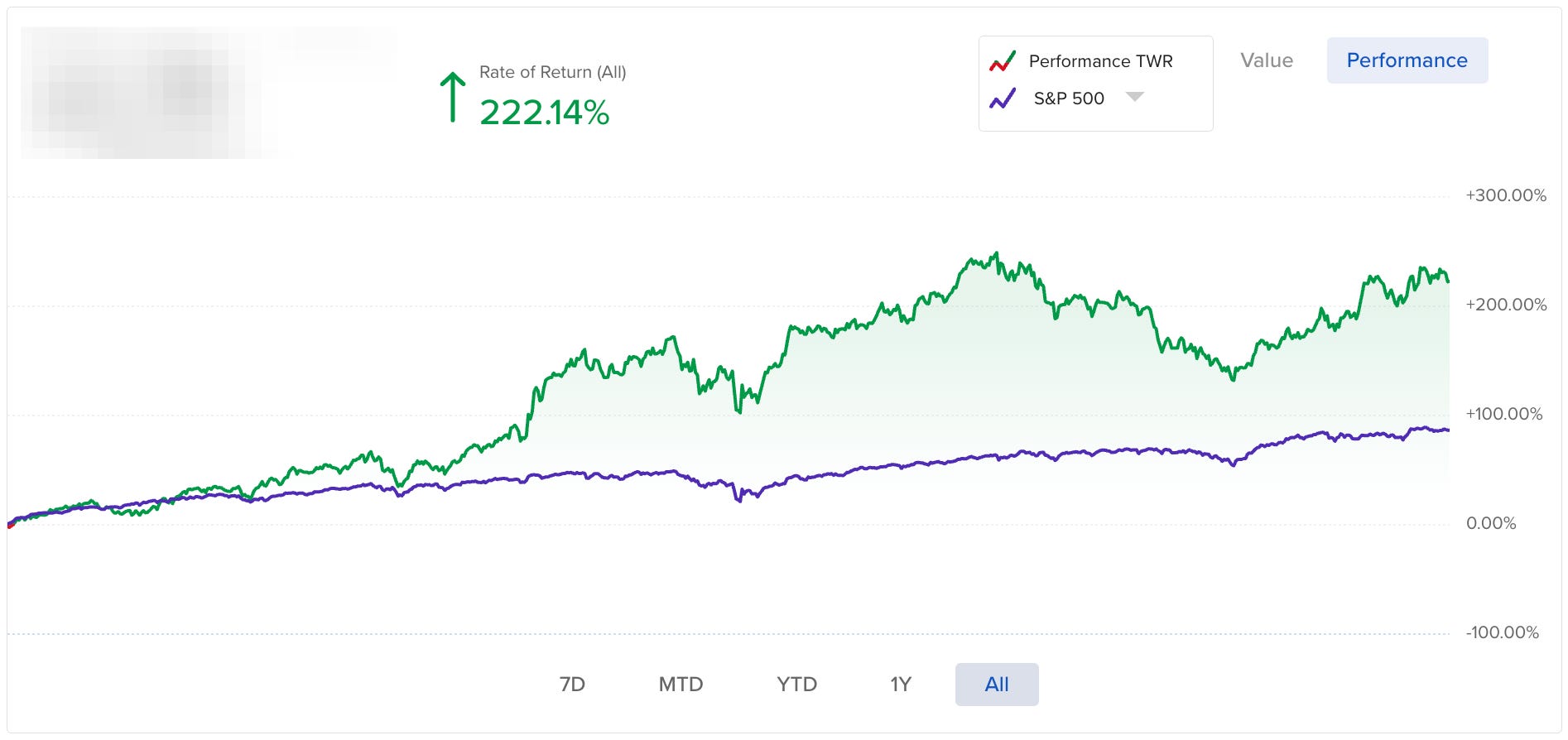
Portfolio: +222.14%
S&P 500: +85.78% (Outperformance: +136.36%)
NASDAQ: +113.66% (Outperformance: +108.48%)
Portfolio Performance (YTD)
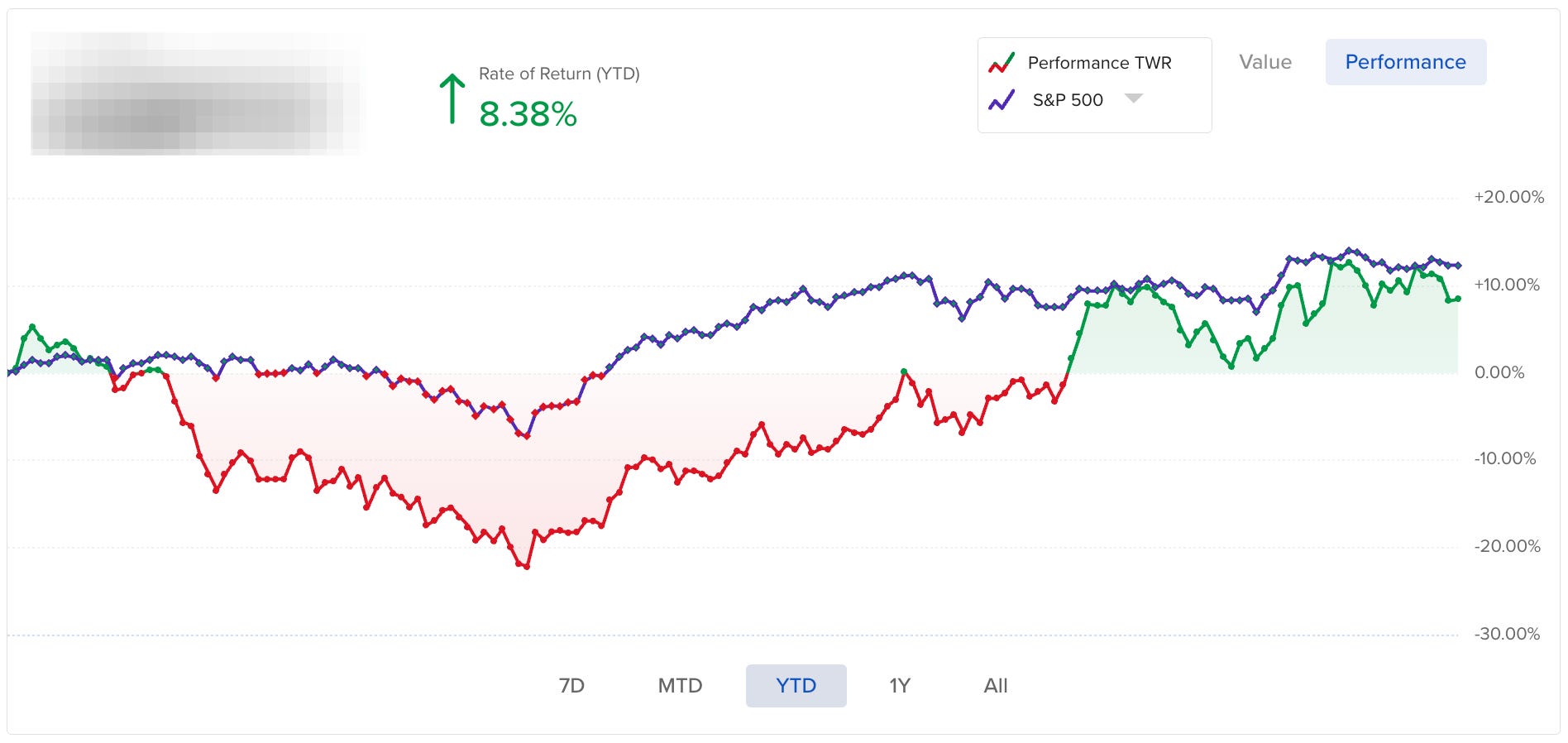
Portfolio: +8.38%
S&P 500: +12.28% (Underperformance: -3.90%)
NASDAQ: +13.90% (Underperformance: -5.52%)
Personal Thoughts on the Market & Performance
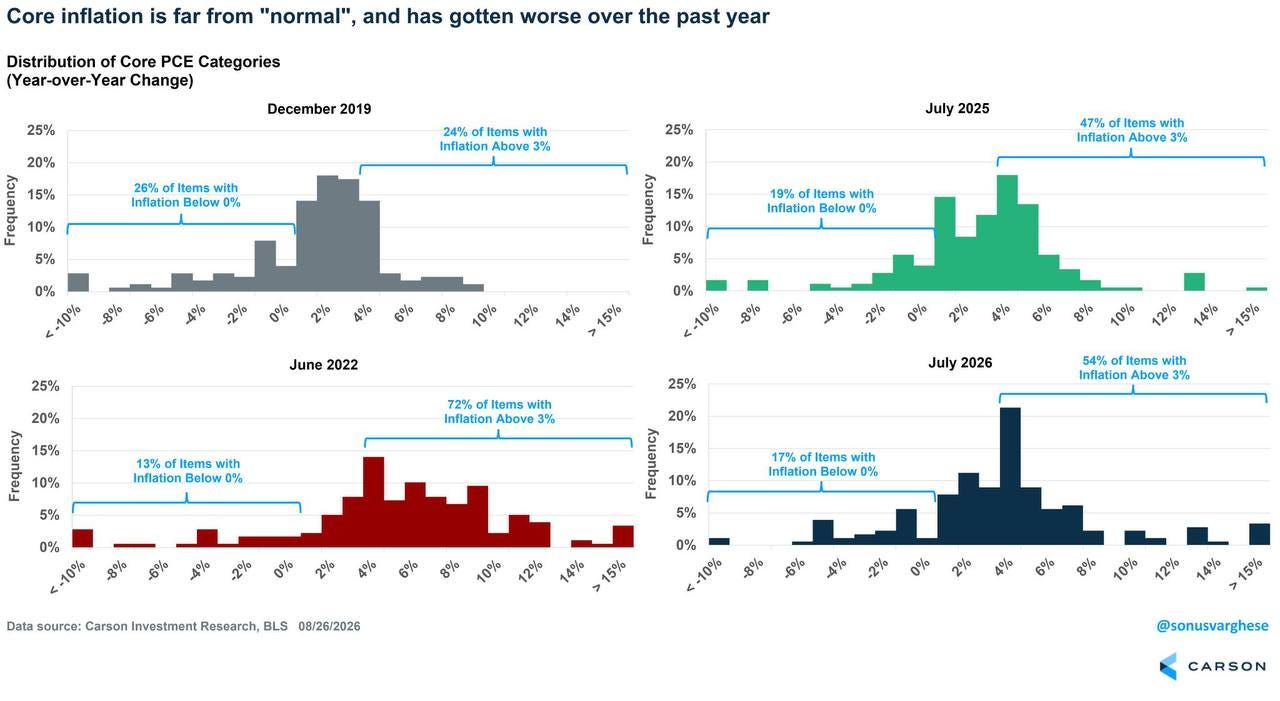
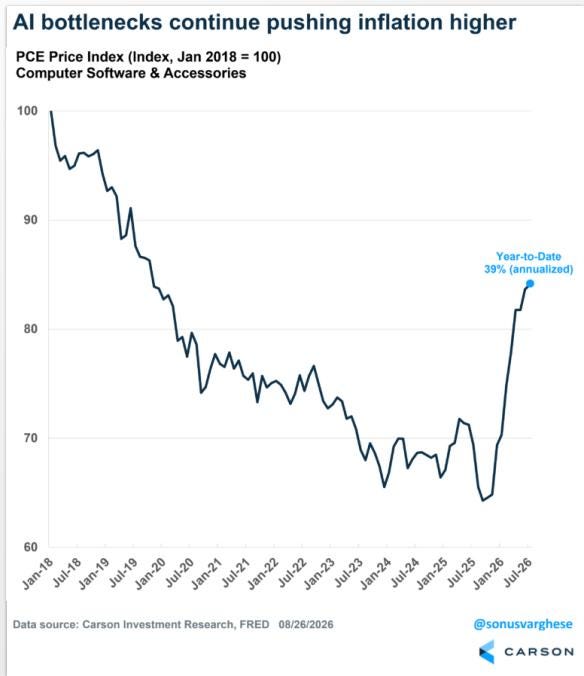
One worry that has been constant in this bull market is inflation. That’s been led by 2 things: ongoing conflicts and AI bottlenecks.
The ongoing conflict in the Middle East and disruptions involving the Strait of Hormuz, have kept crude oil and fuel prices elevated, increasing transport and manufacturing costs globally.
The second has been the bottleneck in the AI supply chain, with the relentless demand for compute pushing up prices for core products.
As I discussed in the previous portfolio review:
“Moving forward, I am concerned about oil prices and treasury yields.
Just yesterday, Reuters reported that the US Strategic Petroleum Reserve was at its lowest level since 1983, with 18 straight weeks of decline. Since the drawdown began, the reserve has fallen by 108 million barrels, or 26%. Commercial crude oil inventories also fell 7.2 million barrels and are now at their lowest level since 2018.”
Treasury yields have followed oil higher again, as we saw it make a new high for the year again, hitting 4.804% as I write this. This has very direct implications on stocks, as higher yields make risk-free government bonds more attractive than equities, drive up corporate borrowing costs and reduce the present value of future corporate profits.
This is exacerbated for high-growth stocks for a simple reason, a high discount rate shrinks large future numbers much faster than small current earnings. Since high-growth companies promise big profits years from now, not today, we often see a much larger decline in prices investors are willing to pay.
